|
|
|
|
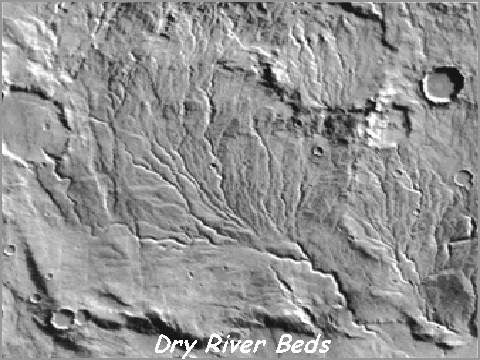


This photograph seems to answer the previous question. It shows a dry river valley with a well developed tributary system running from Martian highlands in the upper portion of the picture into a small sea or lake in the lower portion. There is even the suggestion of an alluvial fan where the main channel empties into the sea/lake basin. The crater on the left margin, just above the center of the picture, appears to have been an upland crater lake with a well defined outlet but no inlet. The existence of such a lake suggests an overall warmer, wetter climate with rain, necessary to replenish the water lost to drainage and evaporation. Notice, also, the ghost crater pair, upper right of center, and the ridge extending downward from them. The drainage pattern from this ridge suggests a divide, with water to the right of the ridge flowing away from water to the left. Such a system develops over a relatively long period of time, implying that Mars had a past climate significantly different from the one we see today - one, perhaps, much more earthlike.
Slide 15 of 22